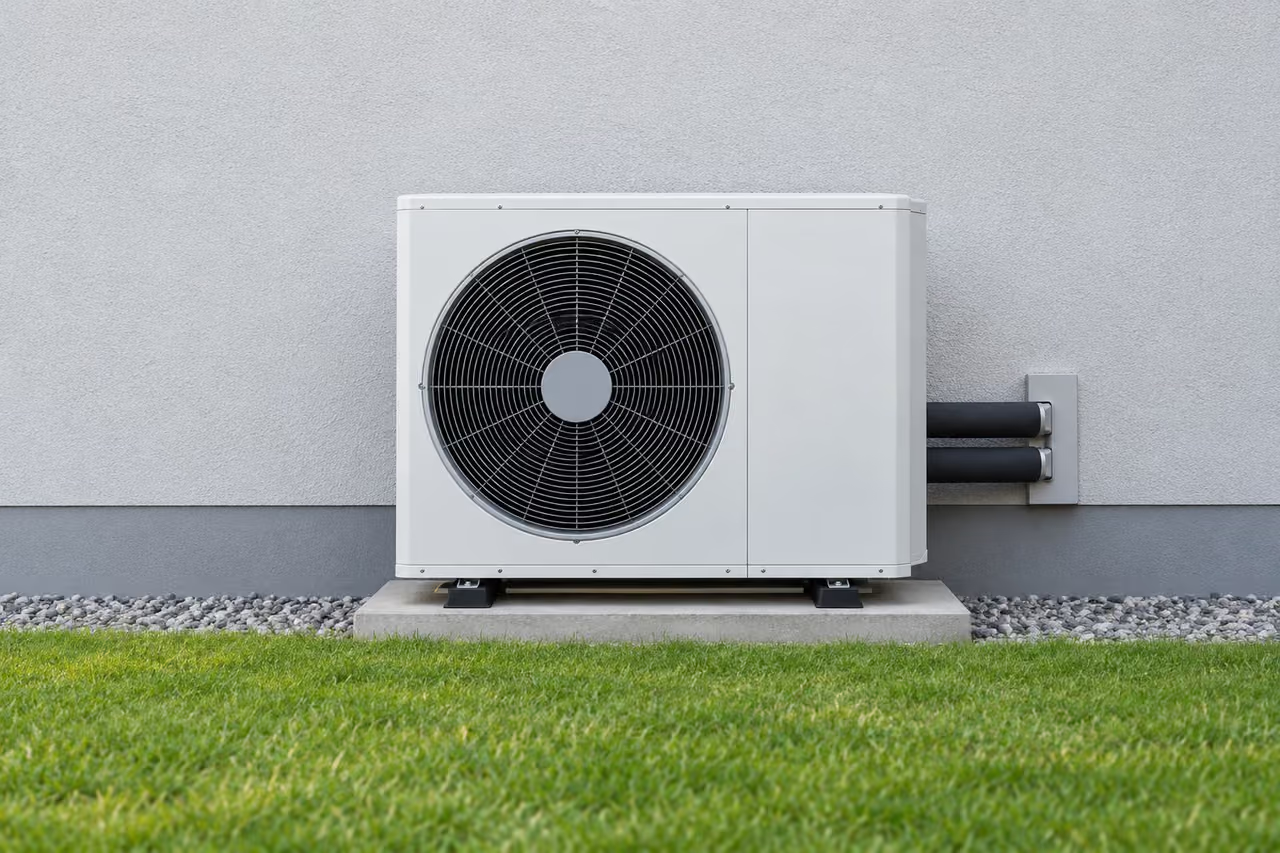
F-gas Regulation 2027: heat pump and AC bans
F-gas Regulation and heat pumps: which monoblock and split units are banned from 1 January 2027, what follows to 2035, and what importers must do first.

Energy products combine electrical safety, connectivity, batteries and energy labels. Each brings its own documents and deadlines, and most need a business in the EU that holds them.

2 kWh
From 18 February 2027 industrial batteries over 2 kWh, including stationary storage, need a battery passport.
2027
From 1 January 2027 self-contained heat pumps up to 50 kW and split air-to-water heat pumps up to 12 kW with F-gases of a GWP of 150 or more may no longer be placed on the market.
WEEE
Photovoltaic panels fall under the WEEE Directive, so producers register in the EU countries where they sell.
Pick a product to see the EU rules it usually falls under. Yours may differ, so we check each one.
PV and hybrid inverters
A Wi-Fi module makes it radio equipment, with safety and EMC under the Radio Equipment Directive; grid connection codes are separate from CE marking.
All Cyber Resilience Act requirements applyCyber Resilience Act
PV modules
Outside RoHS when installed by professionals for permanent use (Art. 2(4)(i) of Directive 2011/65/EU), but inside WEEE.
Home battery storage
Stationary storage counts as an industrial battery: battery passport over 2 kWh from 18 February 2027.
Battery passport, QR code and replaceable portable batteriesBatteries Regulation
Heat pumps
Energy label and EPREL entry; from 1 January 2027 F-gas bans for self-contained units up to 50 kW and split air-to-water units up to 12 kW.
Self-contained heat pumps up to 50 kW and split air-to-water heat pumps up to 12 kW with F-gases of GWP 150 or more banned, unless safety requirements on site rule this outF-gas Regulation
Energy management gateways
Radio and internet connection: RED cybersecurity rules, later the Cyber Resilience Act.
All Cyber Resilience Act requirements applyCyber Resilience Act
The next dates from the rules on this page.
Reporting of actively exploited vulnerabilities and severe incidents
Cyber Resilience Act
2 October 2026
Self-contained heat pumps up to 50 kW and split air-to-water heat pumps up to 12 kW with F-gases of GWP 150 or more banned, unless safety requirements on site rule this out
F-gas Regulation
Battery passport, QR code and replaceable portable batteries
Batteries Regulation
Due diligence obligations for battery raw materials
Batteries Regulation
All Cyber Resilience Act requirements apply
Cyber Resilience Act

We hold your CE documents in the EU and answer market surveillance authorities.

We check LVD, EMC and RED evidence for your inverters, storage systems and heat pumps.

We plan the battery passport and other upcoming changes for your product range.
WEEE and battery EPR registration in each EU country: the authorized representative roles are part of our representation services.
See RepresentationNo. Grid connection codes are a separate requirement for connecting to the grid. CE marking covers product safety, EMC and, where relevant, radio.
Not if they are intended for a system that professionals design, assemble and install for permanent use at a defined location (Art. 2(4)(i) of Directive 2011/65/EU). They still fall under the WEEE Directive.
Only if they contain a radio module such as Wi-Fi. Then the whole inverter is radio equipment, and the RED also covers its electrical safety and EMC. If it can reach the internet, cybersecurity rules apply: under the RED since 1 August 2025, under the Cyber Resilience Act from 11 December 2027.
From 1 January 2027 self-contained heat pumps up to 50 kW with F-gases of a GWP of 150 or more may no longer be placed on the EU market. Where safety requirements on site rule out a lower GWP, the limit is 750. Up to 12 kW, F-gases are banned altogether from 1 January 2032, with the same safety exception.
It applies to all products. From 14 December 2027 products made with forced labour may not be placed or made available on the EU market or exported (Regulation (EU) 2024/3015).
F-gas Regulation and heat pumps: which monoblock and split units are banned from 1 January 2027, what follows to 2035, and what importers must do first.
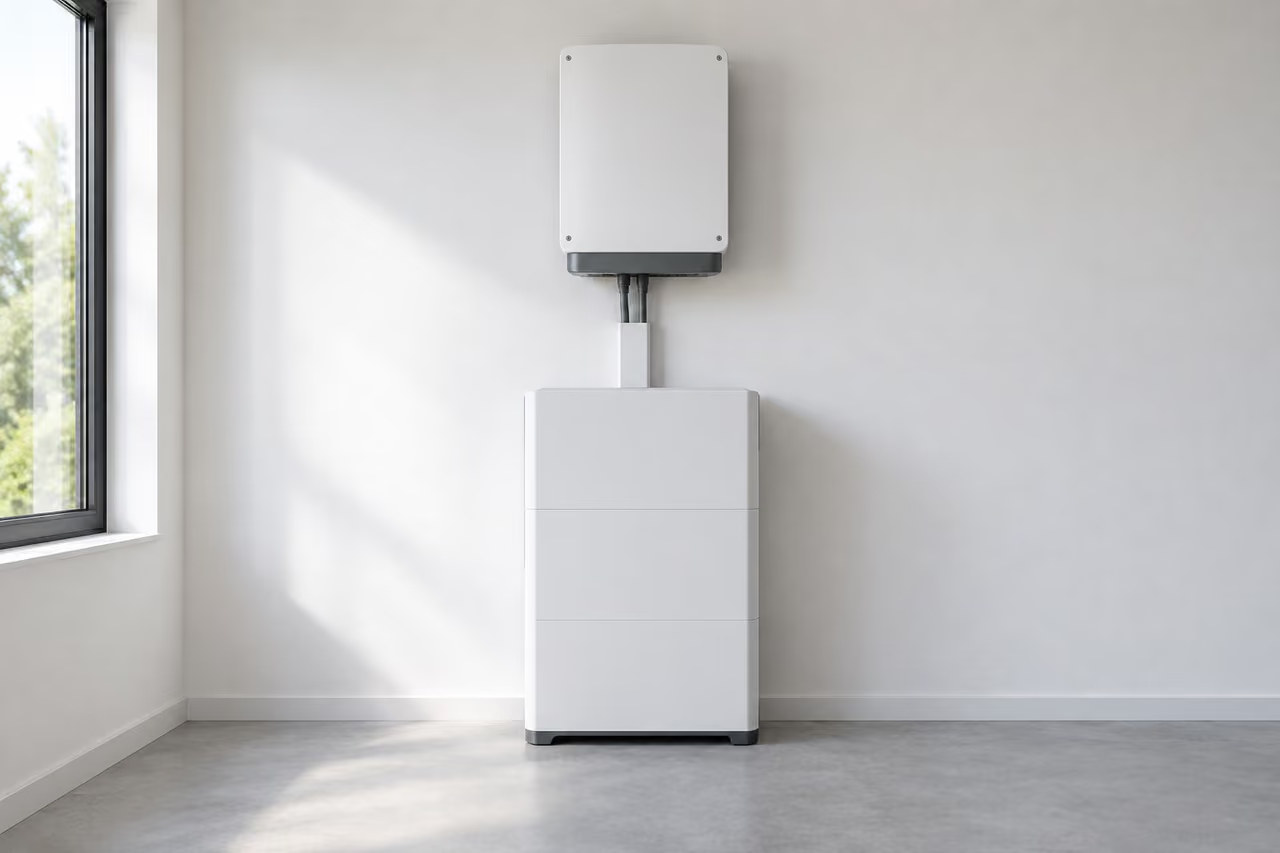
Solar inverter and home battery EU compliance: which acts apply to which device, which duties are in force, which start later and who must be in the EU.
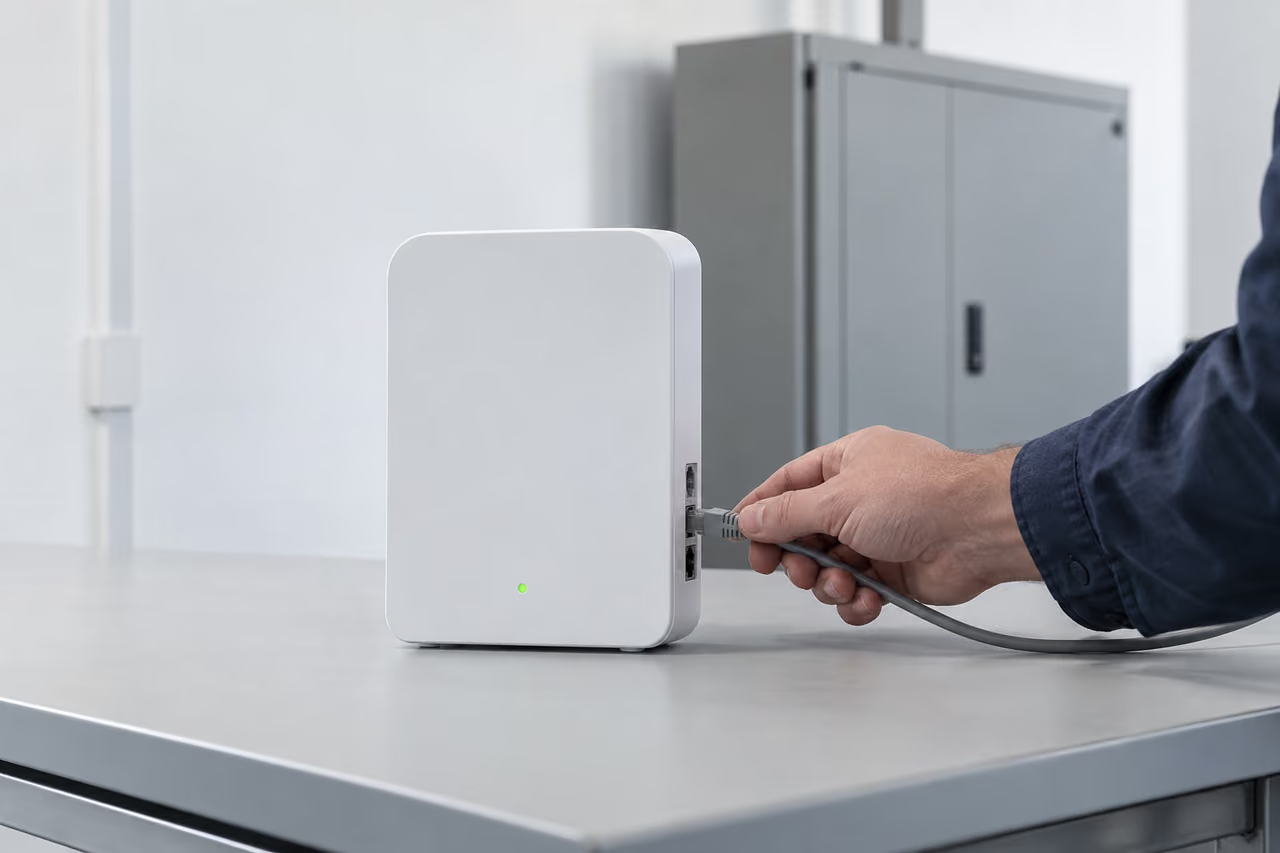
RED cybersecurity requirements since August 2025: which devices are covered, when a notified body is needed despite EN 18031, and what the CRA changes.
Representa secured our EU Authorized Representative appointment within 48 hours, saving our shipment from costly delay.
They turned the CE Marking process into clear, actionable steps, helping us meet our launch timeline and pass compliance the first time.
Thanks to Representa, our products became fully GPSR-compliant well before the deadline, ensuring uninterrupted marketplace sales.
Our beauty cosmetics line faced labeling issues, but Representa's quick review and precise updates got us approved without delay.
The onboarding was fast and transparent. Representa made EU compliance simple and gave us confidence to expand across Europe.
We were unsure how to manage new GPSR rules. Representa guided us step by step, keeping us fully compliant and avoiding delays.

Send us your product list and markets. We map the requirements and the role we can take for you.
Tell us what you manufacture and where you want to sell. We identify the requirements for EU and UK market access and come back to you with the next steps.