
EU Battery Regulation 2027: removable batteries and QR codes
EU Battery Regulation 2027: from 18 February 2027, built-in portable batteries must be user-replaceable and every battery needs a QR code. What to do now.

Batteries carry CE marking under their own regulation, also when built into a product. Producers register in every EU country of sale, and QR codes and the battery passport apply from 18 February 2027.
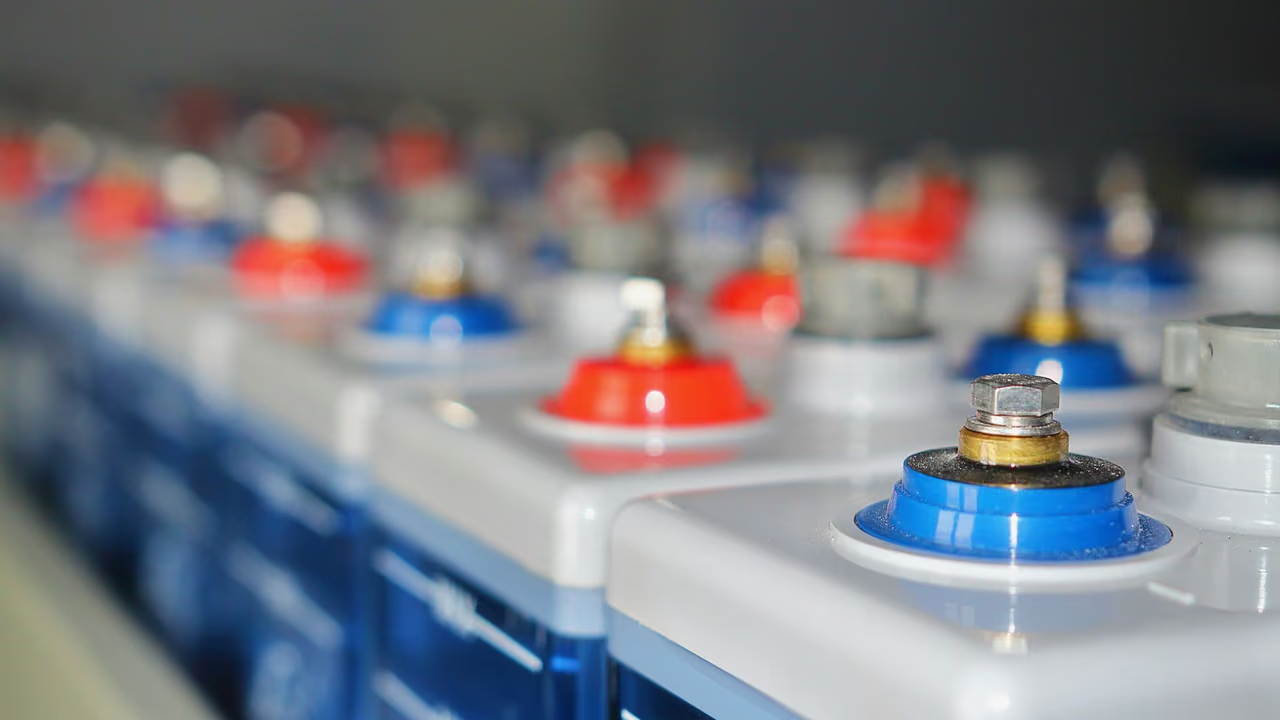
CE
Batteries need a declaration of conformity and CE marking under Regulation (EU) 2023/1542.
2027
From 18 February 2027: battery passport for LMT, EV and industrial batteries over 2 kWh, QR code on all batteries.
EPR
Producers register in each EU country where they first make batteries available, also for built-in batteries.
Batteries need a business in the EU that holds the declaration of conformity (Art. 4 of Regulation (EU) 2019/1020). Distance sellers also appoint an authorized representative for EPR in each country (Art. 56(3) of Regulation (EU) 2023/1542).
Written mandate
The next dates from the rules on this page.
Extended producer responsibility for batteries in every EU country of sale
Batteries Regulation
2 October 2026
Battery passport, QR code and replaceable portable batteries
Batteries Regulation
Due diligence obligations for battery raw materials
Batteries Regulation

We act as the business in the EU that holds your battery documents and answers authorities.

We check your declaration of conformity, labels and test reports against the Batteries Regulation.

We plan QR code, battery passport and due diligence steps with your team.
Battery EPR: distance sellers appoint an authorized representative for EPR in each EU country. This role is part of our representation services.
See RepresentationDownload our free checklist and learn what you need before selling in Europe.
Yes. Batteries placed on the EU market need a declaration of conformity and CE marking under Regulation (EU) 2023/1542.
From 18 February 2027 for LMT batteries, EV batteries and industrial batteries over 2 kWh. All batteries get a QR code from the same date.
Yes. The Batteries Regulation covers batteries incorporated into products, and the producer registers them for EPR as well.
Distance sellers into an EU country appoint one there (Art. 56(3)). Germany requires one from every producer without a German establishment (§ 40 BattDG).
From 18 February 2027 portable batteries in appliances must be removable and replaceable by the end user, with limited exceptions (Art. 11).
EU Battery Regulation 2027: from 18 February 2027, built-in portable batteries must be user-replaceable and every battery needs a QR code. What to do now.
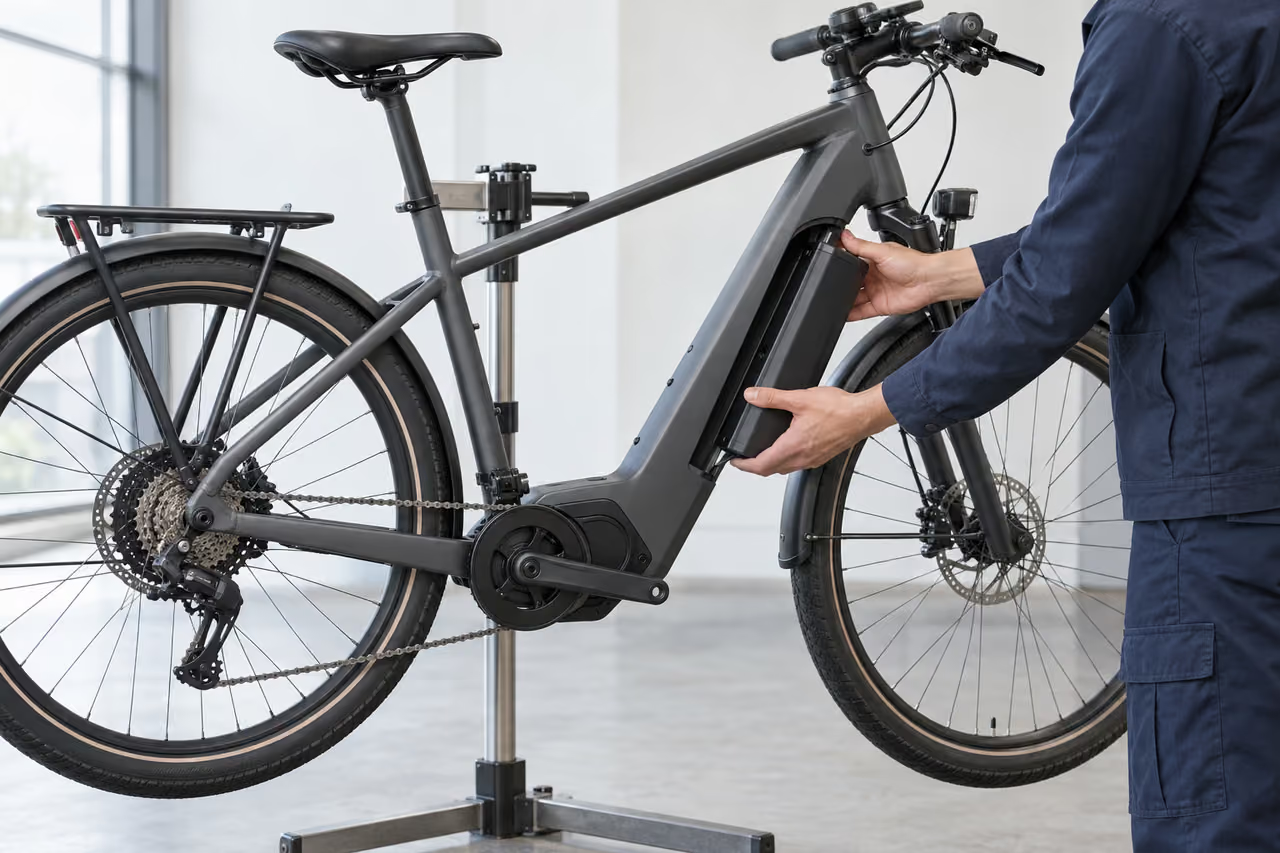
E-bike CE marking and e-scooter rules in the EU: which vehicles need type approval, which fall under machinery law, and what 2027 brings for batteries.
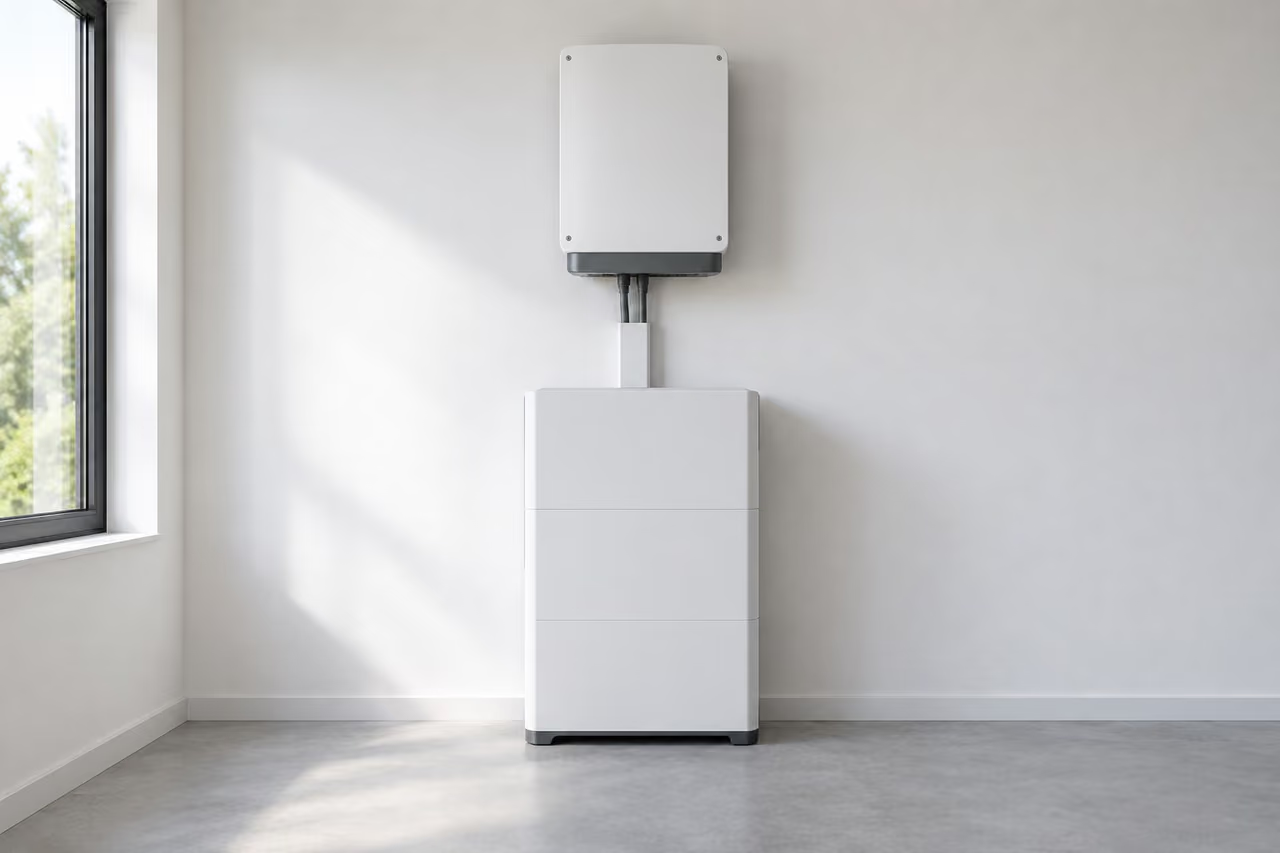
Solar inverter and home battery EU compliance: which acts apply to which device, which duties are in force, which start later and who must be in the EU.
Representa secured our EU Authorized Representative appointment within 48 hours, saving our shipment from costly delay.
They turned the CE Marking process into clear, actionable steps, helping us meet our launch timeline and pass compliance the first time.
Thanks to Representa, our products became fully GPSR-compliant well before the deadline, ensuring uninterrupted marketplace sales.
Our beauty cosmetics line faced labeling issues, but Representa's quick review and precise updates got us approved without delay.
The onboarding was fast and transparent. Representa made EU compliance simple and gave us confidence to expand across Europe.
We were unsure how to manage new GPSR rules. Representa guided us step by step, keeping us fully compliant and avoiding delays.

Send us your battery types and markets. We check labels, documents and the representation you need.
Tell us what you manufacture and where you want to sell. We identify the requirements for EU and UK market access and come back to you with the next steps.